
Diammonium Phosphate (DAP)
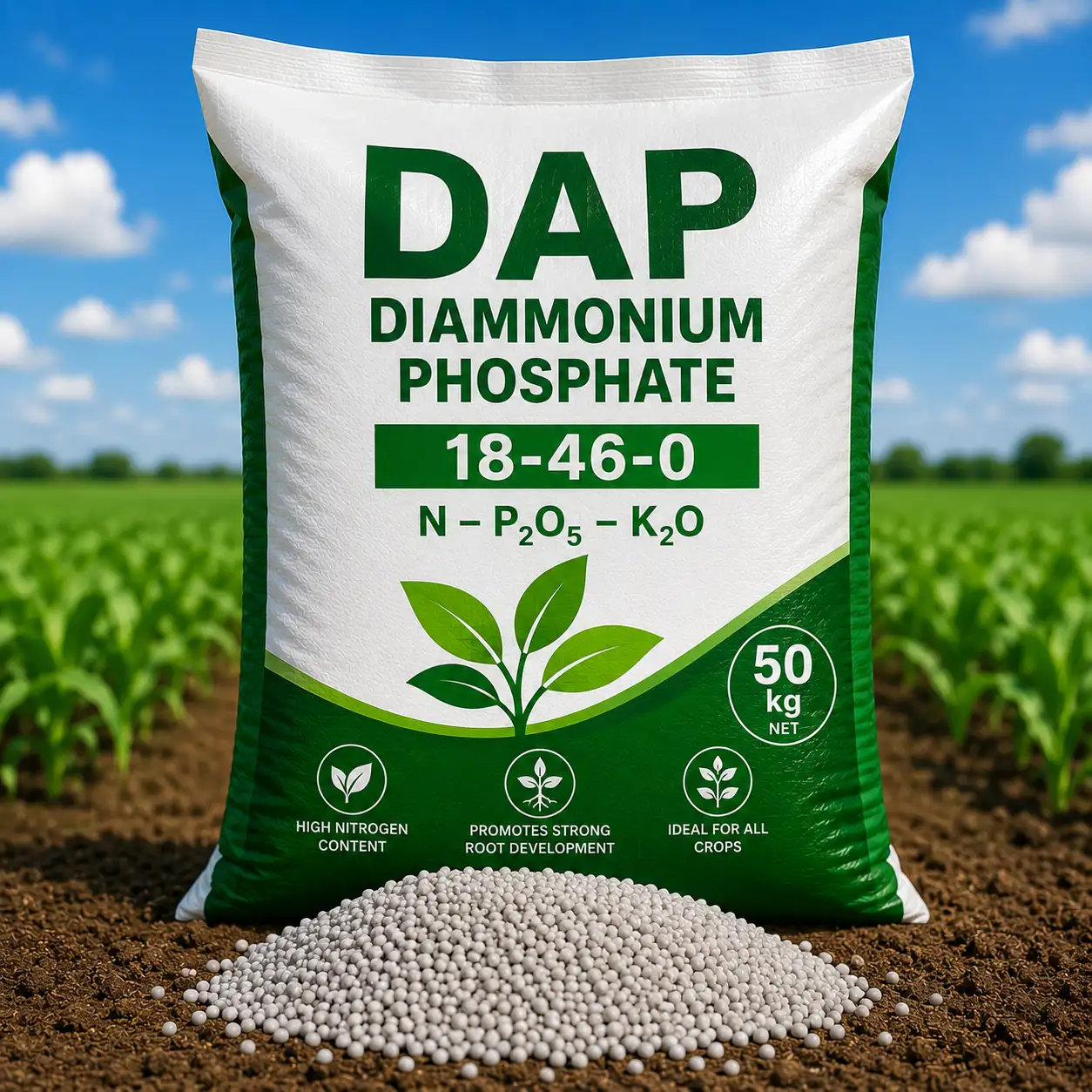
Diammonium Phosphate (DAP)
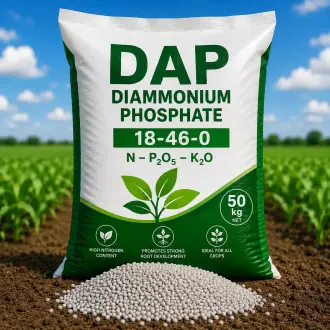
Diammonium Phosphate (DAP) is a high-quality, water-soluble fertilizer that provides crops with two essential macronutrients: nitrogen and phosphorus. It typically contains about 18% nitrogen (N) and 46% phosphorus pentoxide (P₂O₅), making it a highly concentrated source of nutrients that promotes vigorous plant growth and enhances crop yields. DAP is widely used for a variety of crops, including cereals, oilseeds, vegetables, fruits, and legumes.
DAP is produced in granular form, which ensures uniform size, easy handling, and precise application. Its high solubility in water allows rapid nutrient availability, supporting early-stage plant development and root establishment. The nitrogen in DAP is in the ammonium form, which is readily absorbed by plants, while the phosphate component stimulates root growth, energy transfer, and flowering, resulting in stronger, more resilient crops.
One of the major advantages of DAP is its compatibility with most soils and cropping systems. It has a relatively low salt index compared to other fertilizers, making it safe for placement near seeds without causing burn or damage. DAP can be applied through broadcasting, band placement, or fertigation, offering flexibility for farmers.
Economically, DAP is cost-effective due to its high nutrient content, reducing the quantity of fertilizer required per hectare. Proper storage in a dry, cool, and ventilated area is crucial to prevent caking and moisture absorption, which can affect its effectiveness.
In summary, Diammonium Phosphate (DAP) is a reliable, dual-nutrient fertilizer that efficiently supplies nitrogen and phosphorus to crops. Its high solubility, balanced nutrient profile, and ease of application make it an essential component of modern agricultural practices, supporting healthy plant growth, improved yields, and sustainable farming worldwide.

0 Reviews
Add a Review